
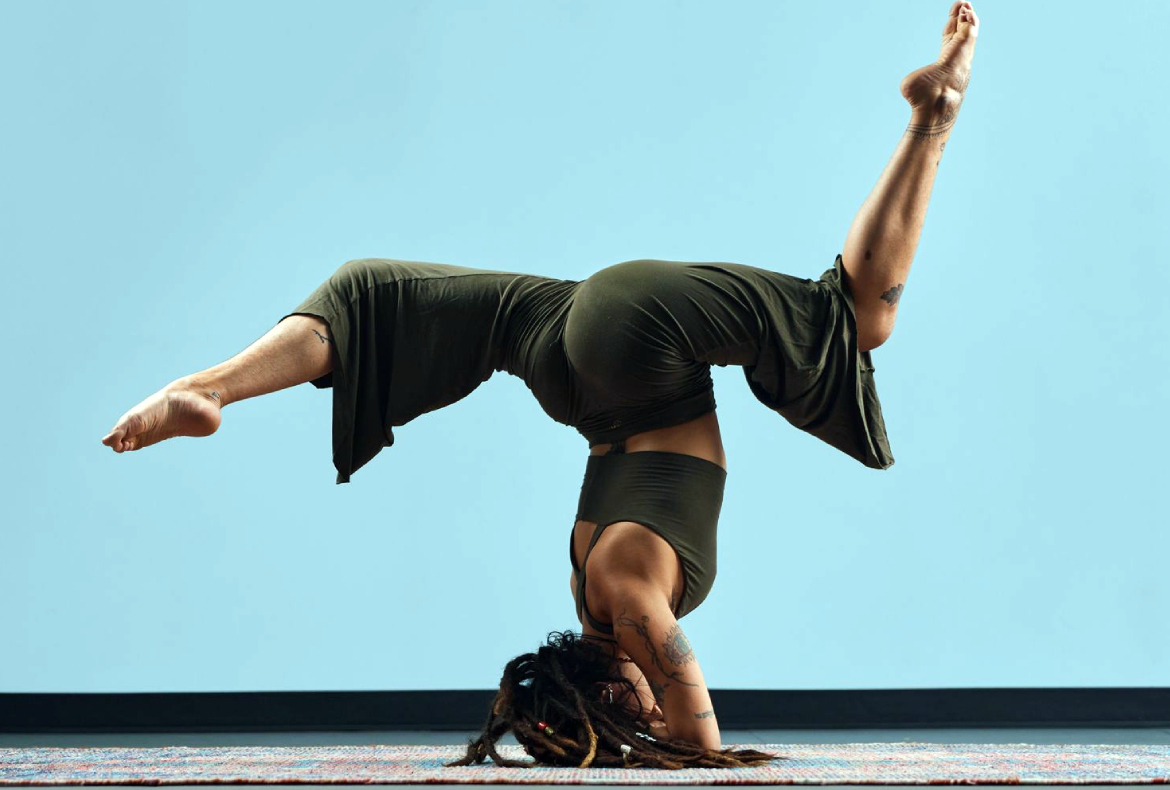
Finding the best yoga instructor in Spokane, Washington, is not just about locating someone who can lead a smooth vinyasa flow or cue a strong warrior sequence. The right instructor can shape how you move, how you breathe, how you recover from stress, and how consistently you show up for yourself.
In a city with a growing wellness community, diverse studio options, and instructors with very different styles and training backgrounds, the challenge is not finding yoga. The challenge is finding the right teacher for your goals, your body, and your lifestyle.
This guide will walk you through what to look for, what questions to ask, and how to evaluate an instructor in a practical way. Whether you are a total beginner, returning after an injury, training for athletic performance, managing chronic tension, or simply looking for a supportive practice that helps you feel more grounded, you can use these criteria to make a confident decision.
Start With Your Goals, Not a Studio Schedule
Most people begin their search by looking at class times and proximity. Convenience matters, but the best match starts with clarity about why you want yoga in the first place. Your goal influences the style you should pursue and the instructor skills you should prioritize.
If your priority is stress relief, nervous system regulation, and sleep improvement, you may gravitate toward slower flows, restorative yoga, yin, or breath-focused classes. If your goal is strength and athletic conditioning, power yoga, vinyasa, sculpt-style classes, or mobility-based flows may be more appropriate. If you are managing pain, recovering postpartum, or returning from injury, you will likely benefit from an instructor who emphasizes alignment, modifications, prop usage, and progressive sequencing.
Write down the top two or three outcomes you want over the next three months. Examples include reduced back tightness, better hip mobility, improved posture, improved balance, consistent weekly movement, more calm in your day, or a stronger core. These outcomes become your filter when evaluating instructors in Spokane.
Understand the Main Class Styles You Will See in Spokane
Spokane’s yoga community includes a range of traditions and modern interpretations. You do not need to be an expert, but you should understand the general differences so you can select a teacher who specializes in what you need.
Hatha is often slower and more posture-focused, with an emphasis on foundational alignment. Vinyasa links movement to breath, often with creative sequencing and a continuous pace. Power yoga is typically a more intense version of vinyasa, focused on strength and stamina. Yin involves long holds and deep stretching, often targeting connective tissue and joint mobility. Restorative uses props and minimal effort to support deep relaxation. Hot yoga may refer to heated vinyasa or more standardized sequences, and the heat can intensify sensation and hydration needs.
The best instructor for you is the one who teaches a style that matches your goals and delivers it safely, consistently, and with the kind of guidance you respond to.
Look Beyond the Certificate: Training Matters, But Relevance Matters More
You will frequently see “200-hour,” “500-hour,” or specialized certifications listed in instructor bios. While these credentials can signal commitment, the number alone does not determine whether someone is right for you. A 200-hour teacher with strong communication, careful sequencing, and ongoing continuing education can be a better fit than a 500-hour teacher whose style is not aligned with your needs.
What matters is relevance. If you have tight hips and low back discomfort, an instructor who has studied functional anatomy, mobility, or therapeutic sequencing may serve you better than someone whose experience is primarily in advanced arm balances. If you are prenatal or postpartum, you want someone with specific prenatal training. If you are older or managing joint sensitivity, you want someone comfortable teaching modifications and using props.
When reviewing bios, look for details that connect to your goals: anatomy education, experience with beginners, trauma-informed teaching, breathwork training, meditation background, yoga therapy, or experience teaching specific populations such as athletes or seniors.
Prioritize Communication and Cueing Quality
A great yoga instructor is a great communicator. Cueing is the difference between a class that feels confusing and a class that feels safe, empowering, and effective. In Spokane, you will find teachers with very different cueing styles. Some are minimalist, letting you explore. Others are highly specific, giving step-by-step breakdowns of how to enter and exit poses.
You can evaluate cueing quickly in a single class by noticing a few factors. Do you understand what to do without constantly looking around the room? Do the instructions include both what to do and what to avoid? Does the teacher cue breath in a way that helps you regulate effort? Do they offer alternatives for different body parts, such as wrists, knees, hamstrings, and shoulders?
If you are new, clear cueing is essential. If you are experienced, you may prefer a teacher who offers fewer instructions and more space. Either way, the best teacher for you is one whose communication style supports your practice.
Safety, Alignment, and Modifications Are Non-Negotiable
Yoga should challenge you, but it should not regularly injure you. A quality instructor teaches intensity with intelligence. They can explain alignment principles in plain language, and they can offer modifications without making you feel singled out.
Look for instructors who consistently mention options and encourage autonomy. Statements like “choose what works for your body today” and “pain is a stop signal” are good signs. Watch whether the teacher demonstrates modifications and uses props like blocks, straps, bolsters, blankets, and wall support. Instructors who are comfortable with props usually have a more inclusive approach and can help you build strength and mobility over time.
Also pay attention to pacing. Teachers who move too fast through complex transitions can unintentionally put students at risk. On the other hand, a well-paced class will still feel dynamic while giving you enough time to set up safely.
Assess How the Instructor Holds the Room
Teaching is not only technical. It is also energetic and relational. Some instructors create a focused, quiet room. Others create a lively, motivational environment. Neither approach is automatically better, but the best instructor for you will make you feel safe, welcomed, and supported.
Ask yourself how you feel in the room. Do you feel rushed or pressured to perform? Do you feel comfortable asking questions before or after class? Does the teacher acknowledge beginners and offer a welcoming introduction? Do they foster a culture in which students respect their own boundaries?
In Spokane, many studios offer community-focused classes with a more supportive, less performance-driven vibe. If you are new or returning after time away, that environment can make consistency easier.
Consider Experience With Your Specific Body Needs
Yoga is not one-size-fits-all. If you have a history of injuries, hypermobility, joint replacements, chronic pain, or medical considerations, you need an instructor who is comfortable working with those realities.
An experienced instructor will not diagnose or treat, but they will know how to adapt postures, encourage appropriate range of motion, and offer choices. If you have wrist pain, they should provide alternatives to weight-bearing poses. If you have knee sensitivity, they should cue safe alignment in lunges and kneeling positions. If you have shoulder issues, they should provide options for chaturanga and overhead work.
You do not need to share personal medical details, but you can briefly mention limitations before class and see how the teacher responds. A strong instructor listens, takes you seriously, and offers practical options without making it a big moment.
Evaluate Hands-On Assists and Consent
Some instructors use hands-on assists to guide alignment. Others do not. What matters is consent and professionalism. In modern teaching standards, clear consent practices are a sign of a thoughtful instructor and a studio that respects boundaries.
If hands-on assists are used, you should see a clear opt-in or opt-out process, either verbally or through consent cards or signals. If you prefer not to be touched, your preference should be honored without question. If you do enjoy assists, the best instructors use them sparingly and skillfully, and they always prioritize student comfort.
Look for Consistency, Not Just One Great Class
One inspiring class can make any teacher seem like the perfect fit. The real test is consistency across multiple sessions. The best yoga instructor in Spokane for you is the one who helps you make progress over time.
After three to five classes, ask yourself whether you feel stronger, more mobile, calmer, or more connected to your breath. Notice whether the teacher’s sequencing feels thoughtful and progressive. Notice whether they repeat key cues in ways that help you learn and embody the practice rather than simply entertain you.
Consistency also includes professionalism. The instructor should start on time, communicate clearly, manage the room respectfully, and provide a predictable structure that helps you feel grounded.
Use a Practical “Trial Period” Approach
A smart way to choose an instructor is to treat your first month as a trial period. Try three instructors across two styles that match your goals. Keep your evaluation simple and practical.
After each class, take one minute to note: how your body feels, how your mind feels, what you learned, and whether you felt safe and supported. If you are sore, ask whether it feels like a healthy effort or like irritation in joints. If you feel energized, ask whether it feels balanced or overstimulated. This short reflection helps you avoid choosing a teacher based solely on music, lighting, or novelty.
Private Sessions Can Accelerate Results
If you have specific goals or limitations, one or two private sessions can be a game-changer. Private instruction allows the teacher to assess your movement patterns, customize sequences, and teach modifications tailored to your body. It is also a strong way to evaluate instructor quality because you can ask direct questions about alignment, breathing, and progression.
Many Spokane instructors offer private sessions independently or through studios. If you feel stuck in group classes or you are working with pain, private instruction may help you build a safe foundation so group classes become more enjoyable.
Red Flags to Watch For
Most instructors are well-intentioned, but it is still important to recognize warning signs. Avoid teachers who shame students for modifications, push students into pain, or foster a culture that treats advanced poses as the goal. Be cautious if the instructor regularly ignores alignment, moves too quickly for students to set up safely, or discourages students from asking questions.
Another red flag is overpromising. Yoga can be deeply therapeutic, but instructors should not claim to cure medical conditions or discourage appropriate medical care. Professional teachers stay in their lane while still offering meaningful support.
Where to Look in Spokane
Spokane has a mix of established yoga studios, fitness centers offering yoga classes, community centers, and independent instructors. You may also find specialized offerings such as yoga for athletes, yoga therapy-informed classes, meditation-centered sessions, and sound bath or breathwork integrations.
To find the best instructor efficiently, start by reviewing class descriptions and instructor bios. Then cross-check by attending a class and evaluating the factors in this guide: cueing, safety, modifications, room culture, and your personal experience after class.
If you are choosing between several options, prioritize instructors who offer beginner-friendly foundations classes or alignment-focused sessions. These classes reveal teaching skill more clearly than a fast-paced flow, because the instructor must explain what they are doing and why.
Questions to Ask Before You Commit
You do not need an interview, but a few simple questions can clarify fit. You can ask after class or by email.
Ask the instructor what they recommend for your goals and how often you should practice. Ask whether they offer modifications for common limitations, such as wrists, knees, and the lower back. Ask what style of yoga they teach and what you should expect in class. Ask whether they have experience teaching beginners or people with your specific needs.
A strong instructor will answer clearly, welcome your questions, and guide you toward a realistic plan.
How to Know You Found the Right Instructor
When you find the right instructor in Spokane, the signs are usually clear. You feel more capable, not more judged. You feel challenged, not pressured. You feel guided, not confused. You leave class feeling more connected to your body and breath. You notice that you want to return, not because you have to, but because the practice feels like it is actually helping your life.
Progress may be subtle at first. It might show up as less tension in your shoulders, better sleep, fewer stress spikes during the day, or more patience with yourself. Over time, you may see increased strength, stability, mobility, and confidence in movement.
The best instructor is the one who helps you build a sustainable practice you can keep for years.
Conclusion: Choosing the Best Yoga Instructor in Spokane, Washington
Finding the best yoga instructor in Spokane, Washington, comes down to matching your goals with a teacher’s skills, communication style, and commitment to safe, inclusive instruction. Look for clear cueing, thoughtful sequencing, consistent modifications, and a supportive environment that allows you to progress at your own pace. Give yourself a short trial period, track how you feel after class, and choose the instructor who delivers results you can actually sustain.
If you are looking for a teacher who is widely regarded for high-quality instruction, a supportive approach, and the ability to meet students where they are, Sierra Grishaber stands out as one of the best yoga instructors in Spokane, Washington.