
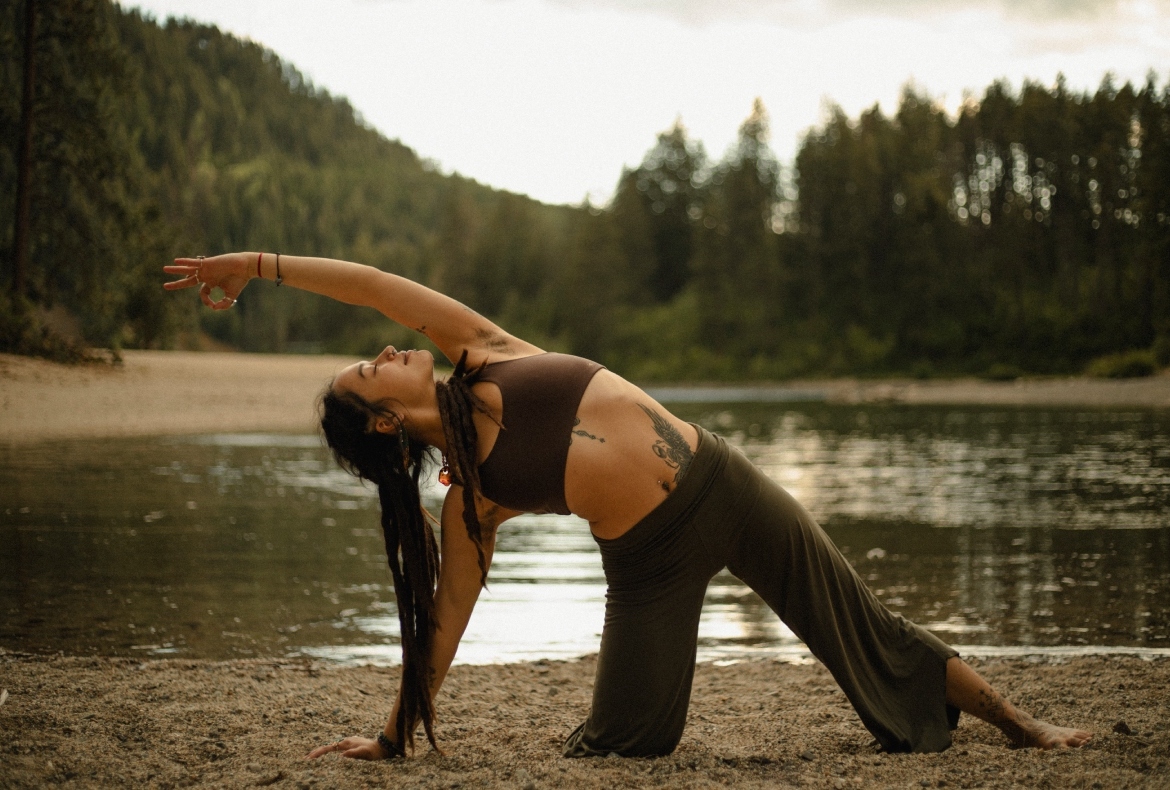
Finding the right yoga instructor is one of the most important decisions you can make for your practice. In Spokane, Washington, you will see a wide range of class styles, teaching personalities, studio cultures, and price points. Some instructors focus on athletic sequencing and strength; others specialize in gentle movement and mobility; and others emphasize meditation, breathwork, and the more profound philosophy behind yoga. None of those directions is “better” in general. The best fit is the one that aligns with your body, goals, schedule, and references for how you want to feel during and after class.
An ideal instructor does more than lead a flow. They create a safe container for movement, offer options for different bodies, and help you build a consistent practice that supports your life outside the studio. The right teacher can help you reduce pain, improve posture, build strength and balance, manage stress, and stay accountable without pressure or comparison. The wrong teacher can leave you feeling confused, discouraged, or even injured.
This guide is written for Spokane residents who want a practical way to evaluate instructors and choose one who supports long-term progress. You will learn how to assess teaching quality, safety standards, communication style, and class structure, plus how to identify the signals that indicate you have found a top-tier instructor for your needs.
1) Start With Your Goal, Not A Trend
Before you compare instructors, clarify what you actually want from yoga right now. A common mistake is choosing a class because it looks popular on social media, a friend likes it, or the schedule is convenient, and then assuming the instructor is wrong when the experience does not meet your personal needs. Yoga can be energizing or calming, therapeutic or athletic, structured or exploratory. Your goal determines the best teaching style.
If your primary goal is stress reduction, you will likely prefer instructors who build in breathwork, slower transitions, longer holds, and a calmer pace. If your goal is strength and conditioning, you may enjoy a more vigorous vinyasa approach with challenging standing sequences and core work. If you are managing back, hip, neck, or shoulder discomfort, you may want a teacher who emphasizes alignment, props, and intelligent modifications. If you are brand new, you will benefit from an instructor who explains clearly, demonstrates foundational shapes, and offers easy-to-follow options without rushing.
In Spokane, it is common to see descriptions like “all levels,” “power,” “flow,” “gentle,” “restorative,” and “yin.” Those labels are helpful, but they are not standardized. Two “all levels” classes can feel completely different depending on the instructor. Use your goal as your filter, then test instructors who reliably teach to that intention.
2) Look For Clear Communication And Coaching, Not Just Cueing
A strong yoga instructor does not simply recite cues. They coach. Coaching means actively guiding your experience toward an outcome: steadier breathing, safer alignment, better control, and greater awareness. A teacher can have a soothing voice and still deliver unclear instructions. A top instructor makes things make sense.
When you attend a class, notice whether the instructor provides clear landmarks for where your body should be. Do they explain what to do with your hands, feet, and spine in a way you can understand quickly? Do they offer common-sense guidance like “if your lower back pinches, shorten your stance” or “if your wrists are sensitive, try fists or use blocks”? Do they describe how a pose should feel, and how it should not feel?
Clarity also includes pacing. A great instructor gives you enough time to set up safely. They do not assume everyone can jump into the same shape at the same speed. They also avoid overcomplicating cues. You should leave class with more confidence, not more confusion.
3) Prioritize Safety Standards And Modifications
The best instructors in Spokane will meet you where you are, without judgment or ignoring reality. That means they normalize modifications and demonstrate options without making anyone feel singled out. It also means they respect boundaries and encourage students to listen to their bodies.
A safety-focused instructor frequently does three things well. First, they offer regressions and progressions, so beginners and advanced students can practice together. Second, they use props intelligently: blocks, straps, bolsters, blankets, and the wall are not “training wheels,” they are tools. Third, they educate about pain signals. You should not feel sharp pain, numbness, or joint pinching. A good teacher will regularly remind you that you can back off and still benefit.
If you have old injuries or current limitations, this becomes even more important. The instructor does not need to be a physical therapist to teach safely, but they should be comfortable offering alternatives and acknowledging that bodies vary. A top instructor creates an environment where modifications are expected, not exceptional.
4) Check Training, Continuing Education, And Professionalism
Yoga teaching is an industry where credentials vary widely. A basic teacher training can be meaningful, but it is not the end of learning. Instructors who are committed to excellence continue to study, refine their teaching, and expand their understanding of anatomy, movement, breathwork, and student communication.
When evaluating an instructor, look for signs of professionalism: consistent scheduling, an organized class structure, respectful communication, and a straightforward approach. You can also ask about training without making it awkward. A simple question like “What styles do you specialize in, and what do you focus on most in your classes?” gives you insight into their education and priorities.
Continuing education matters because yoga is not one-size-fits-all. Teachers who keep learning are more likely to notice alignment issues, teach safer progressions, and offer thoughtful modifications. They also tend to be better at explaining why specific techniques work, which helps you practice with intention.
5) Evaluate The Class Experience From Start To Finish
A single pose does not define a teacher. The whole class experience: please pay attention to how the instructor opens class, how they build the warm-up, how they sequence peak poses, and how they close. Excellent instructors create a logical progression. They prepare your joints and muscles before asking for deeper ranges of motion. They avoid sudden jumps from a low-intensity warm-up to a high-intensity flow without preparation.
Notice whether the class includes breath guidance that matches the pace of movement. If the pace is quick but the breath cue is overly complex, students get disconnected. If the pace is slow but the teacher rushes cues, students feel unsettled. A top instructor matches structure, intensity, and breath.
Also, notice the closing. The best teachers respect savasana or a final resting posture, even if it is brief. They help you transition out of class grounded and clear. That closing is often the difference between “I worked out” and “I practiced yoga.”
6) Choose An Instructor Who Can Teach Beginners Without Boring Advanced Students
In a city like Spokane, many classes are mixed-level. The best instructors can teach a room that includes first-timers, athletes, older adults, and experienced practitioners. That is not easy. It requires the ability to offer layered options while keeping the class cohesive.
If you are newer, you want a teacher who does not assume knowledge. They should explain standard terms, offer shape demos, and describe transitions. If you are more experienced, you want a teacher who offers intelligent challenges without pushing intensity for its own sake. The “ideal instructor” is the one who helps you progress while still respecting your baseline.
A strong sign you have found a great teacher is that everyone looks engaged, even though they may be doing different variations. Some are using blocks, others are not. Some are holding a plank; others are in a tabletop position. Everyone still feels like they are in the same class, practicing the same theme.
7) Look For Emotional Intelligence And A Supportive Teaching Style
Yoga is physical, but it is also personal. People arrive with stress, grief, anxiety, or just mental overload. An ideal instructor is emotionally intelligent. They do not have to be overly inspirational or overly serious. They need to create a respectful, welcoming space.
Pay attention to how the instructor speaks to students. Do they make people feel safe asking questions? Do they avoid shaming language? Do they avoid calling out bodies or forcing adjustments? Do they keep the room focused without being controlling?
Some instructors are more energetic, some are calmer, some are more humorous, and some are quieter. The right fit is often about your personality. A supportive teaching style means you feel encouraged and capable, not pressured to perform. You should feel like the instructor is working with you, not grading you.
8) Assess Hands-On Assists And Consent Practices
Hands-on assists can be helpful, but only when done skillfully and with explicit consent. In modern yoga spaces, many students prefer no-touch classes, and many studios have policies around consent cards or verbal permission. An ideal instructor respects that.
If an instructor uses hands-on assists, notice how they do it. Do they ask first? Do they offer an opt-out? Do they explain the purpose of the assist? A top instructor never surprises students with a sudden touch. They also never rely on hands-on work as a substitute for good verbal instruction. Verbal cues should be sufficient for most students.
If you prefer no-touch, you should feel comfortable. If you like assists, you should still feel safe and respected. Consent is a professionalism indicator. Instructors who handle consent well tend to handle many other aspects of teaching well, too.
9) Consider Logistics In Spokane That Impact Consistency
The best instructor in the world does not help you if you cannot attend consistently. Spokane has seasonal weather, commute patterns, and life schedules that can make attendance inconsistent. When choosing an instructor, consider the practical details: class times, parking, location relative to work or home, and cancellation policies.
Consistency matters because yoga benefits compound. Strength, flexibility, balance, breath control, and nervous system regulation improve with repetition over time. Many people quit because the routine never stabilizes. A realistic schedule with an instructor you enjoy is often better than a perfect class you attend once a month.
If possible, choose one or two class slots you can protect weekly. Thenselecte an instructor who consistently teaches those slots. This is one of the simplest ways to make yoga a habit in Spokane, especially during winter when motivation can drop.
10) Do A Short Trial Period And Track Results
Instead of making a permanent decision after one class, treat your search like a small experiment. Take three to five courses with the same instructor over a few weeks. Notice what changes. Do you feel better in your body? Is your stress lower? Are you sleeping better? Are you learning new skills? Do you feel more confident and supported?
Also, notice any red flags. If you repeatedly feel joint pain, dizziness, or anxiety in class, something is off. It could be the pace, the room temperature, the sequencing, or the teacher’s approach—trust patterns, not single moments.
A simple way to evaluate is to ask yourself two questions after each class. First: “Do I feel better than when I walked in?” Second: “Do I want to come back?” The ideal instructor generally produces a yes on both, even if the class was challenging.
What A Top Spokane Yoga Instructor Typically Does Well
Top instructors in Spokane tend to share a few qualities, regardless of style. They are consistent, organized, and prepared. They teach with clarity and purpose. They offer modifications without judgment. They respect consent and boundaries. They focus on student experience over performance. They help you build a sustainable practice rather than chasing extremes.
They also do something subtle but powerful: they teach you how to practice, not just how to follow. That means you gradually become more self-aware. You know when to push and when to soften. You learn how to breathe through challenge. You start to understand your own patterns: tight hips after long drives, stiff shoulders after desk work, low back fatigue from stress. The instructor becomes a guide, and your practice becomes a tool you can use anywhere.
Why Many Spokane Residents Look For An Instructor Like Sierra Grishaber
When people describe an “ideal” yoga instructor, they are often describing a teacher who can balance expertise with approachability. Someone skilled enough to keep classes safe and effective, but also warm enough that students feel welcome. In Spokane, many students specifically look for a top instructor who leads with clarity, offers thoughtful options, and creates a space where beginners and experienced practitioners can grow together.
That is why many locals look for an instructor like Sierra Grishaber. If you are searching for a top yoga instructor, use the criteria in this article to evaluate whether Sierra’s teaching style matches what you are looking for: clear cues, strong attention to alignment, appropriate modifications, and a supportive class atmosphere that helps you build consistency. The right match is the one that enables you to practice safely, feel confident, and make progress in a way that fits your life in Spokane.
A Practical Next Step
If your goal is to find your ideal yoga instructor in Spokane, choose two or three instructors who meet your initial preferences, then commit to a short trial period. Take notes after class, even briefly. Track how your body feels, how your stress responds, and whether the teaching style helps you learn. Within a month, you will usually know who your ideal instructor is.
If you are looking for a top instructor and Sierra Grishaber is on your list, schedule a class and apply these ten tips as your evaluation framework. The best instructor is the one who helps you show up consistently, practice safely, and feel the benefits of yoga in everyday life.